
InBody | Body Composition Analysis
Precision body composition insights in under a minute.
InBody is a medical-grade body composition analysis system used worldwide in high-performance, wellness, and clinical environments. More than a traditional body composition scan, InBody provides deep insight into cellular integrity, hydration balance, and tissue quality — helping individuals and practices make more informed decisions based on measurable data, not assumptions.
At Ascent, we place special emphasis on Phase Angle and Extracellular Water (ECW) measurements. These markers offer a powerful window into cellular health, resilience, and aging-related trends, making InBody an essential tool for performance optimization, recovery tracking, and longevity-focused care.
Why InBody
InBody goes far beyond a standard scale or basic body composition scan. Each assessment delivers advanced, segmental data that supports smarter planning, progress tracking, and accountability — whether for personal optimization or professional use.
What truly differentiates InBody is its ability to measure Phase Angle and Extracellular Water (ECW), two critical indicators of cellular health:
1. Phase Angle (PA) reflects cellular integrity, membrane function, and permeability — and is closely associated with resilience, recovery capacity, and aging-related trends.
2. Extracellular Water (ECW) provides valuable insight into fluid balance and is commonly used as a gauge for systemic inflammation and tissue stress.
The InBody 770 and 970 are best suited for this level of insight, as they provide segmental Phase Angle and ECW analysis across the body — including arms, legs, and trunk. This allows for more precise assessment, targeted optimization, and clearer tracking over time.
The InBody 970 offers the highest level of precision, adding additional markers such as protein content in muscle tissue and mineral content in bone, making it the preferred choice for advanced performance, longevity, and flagship wellness environments.
Options for Every Setting
For Individuals
For Practices
Ascent Certified Featured InBody Models
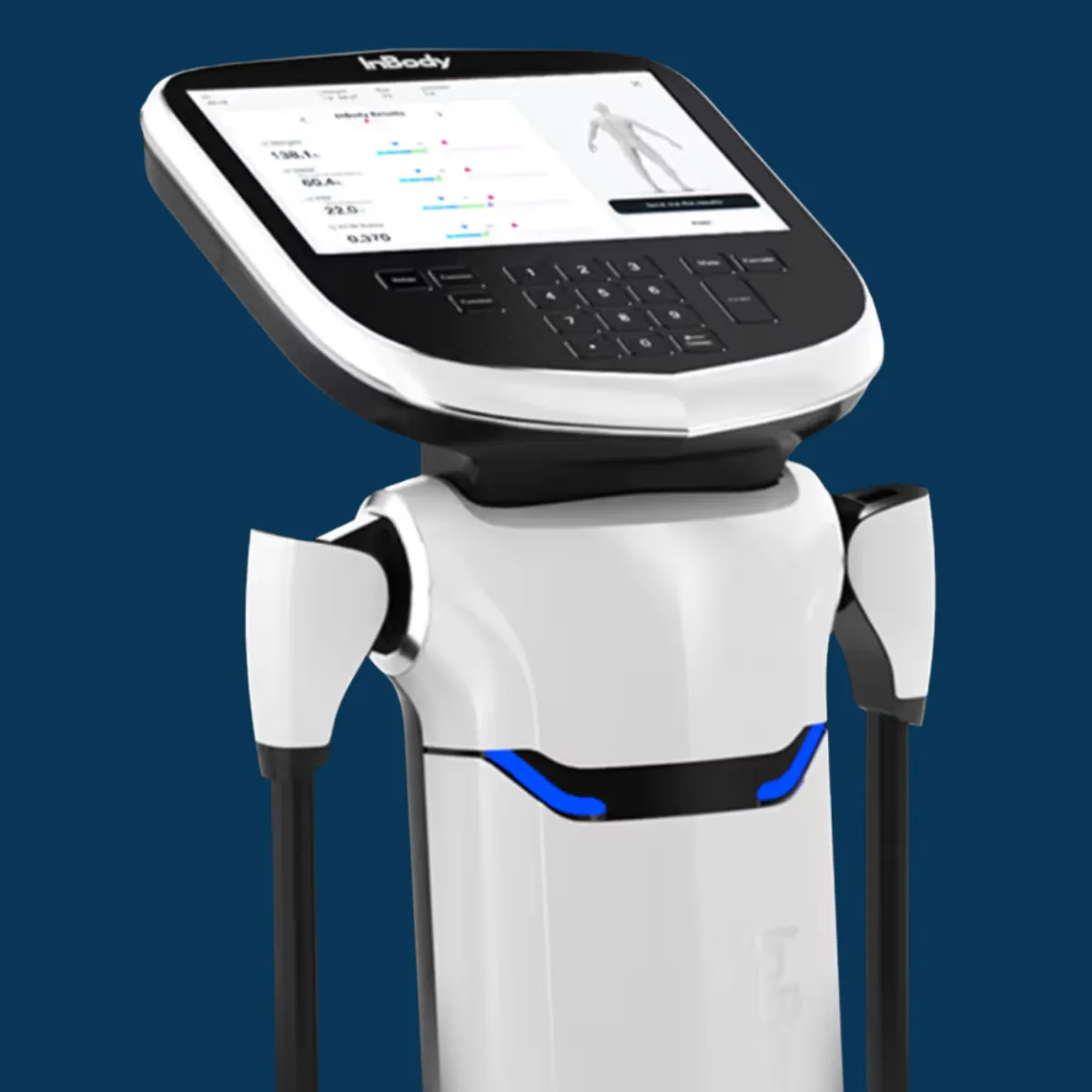
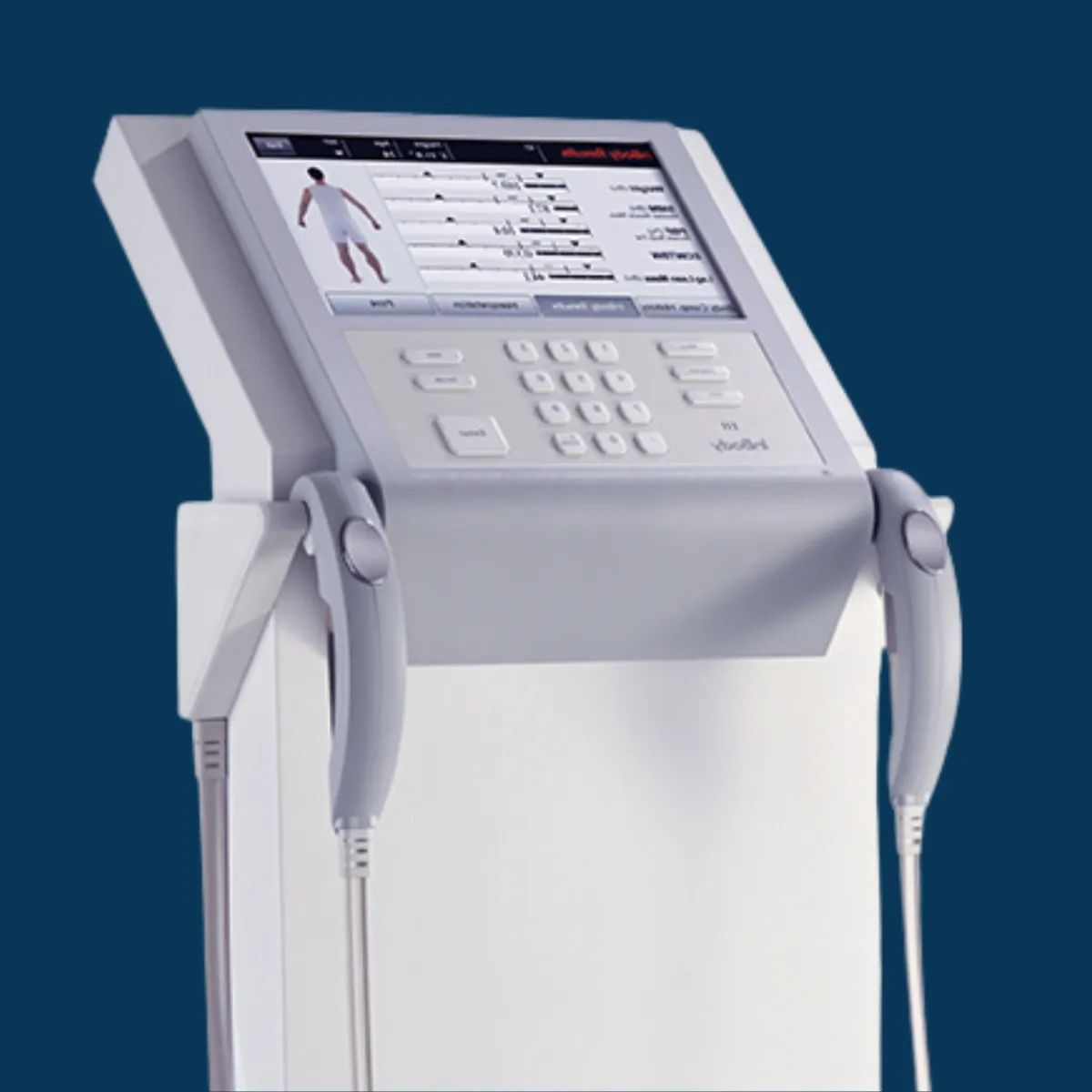
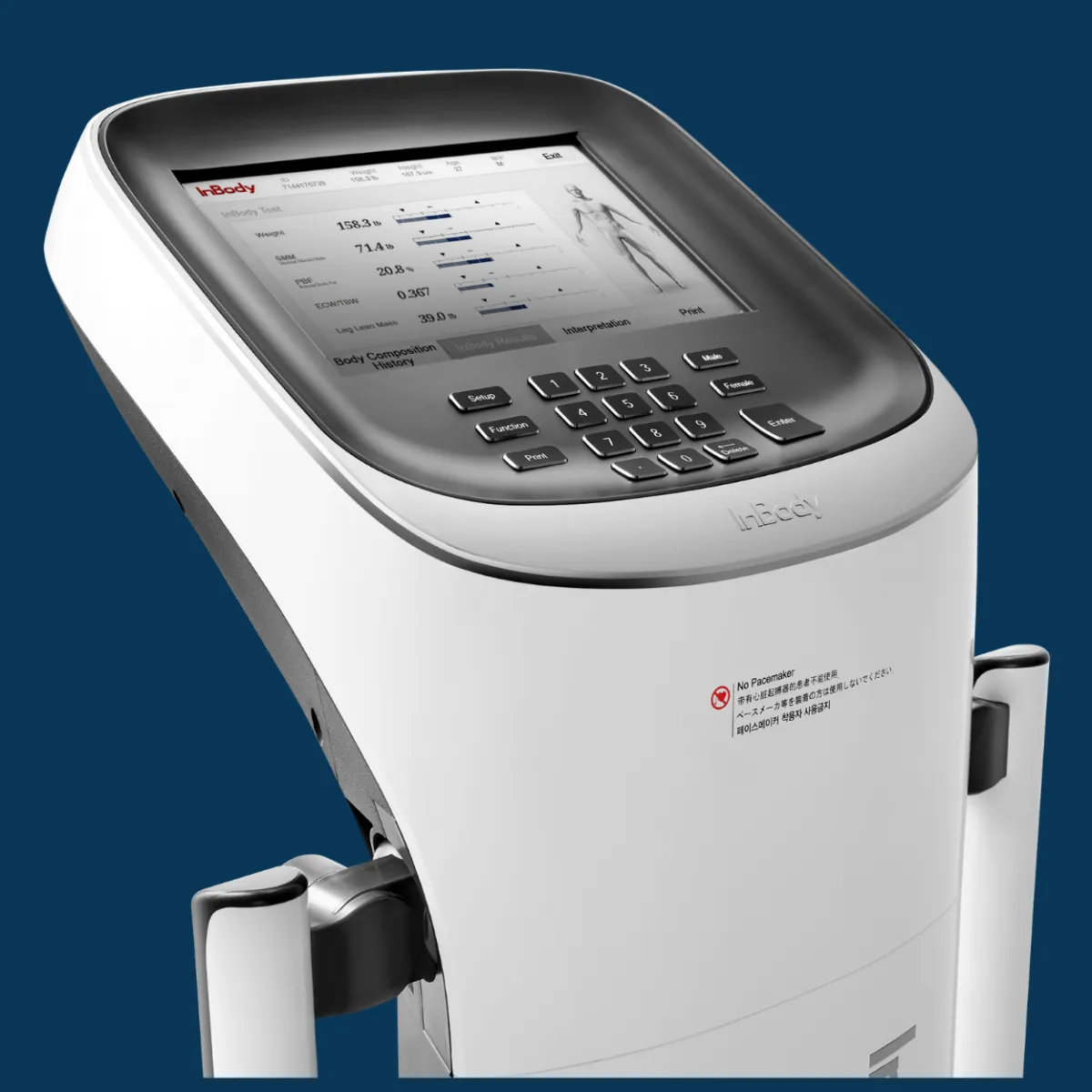
Why We Prefer 970: Additional Precision Markers and Reporting
Built for high volume professional environments, the 970 delivers the most precise measurement and the most complete cellular level reporting, anchored by Phase Angle as a leading signal of cellular integrity and permeability.
Highest resolution Phase Angle reporting with whole body and segmental comparisons
ECW ratio reporting with whole body and segmental comparisons for clearer trend tracking
Advanced intracellular and extracellular water analysis with more granular segmentation
Individual limb analysis, right vs left arms and legs for the clearest imbalance insight
BIVA (Bioelectrical Impedance Vector Analysis) plus impedance visualization tools including whole body and segmental charts.
Expanded composition and performance markers such as body cell mass, pounds of protein in muscle and minerals in bone, FFMI, FMI, SMI, waist hip ratio, and visceral fat area.
Fulfillment & Ordering Through Ascent
When you order an InBody system through Ascent, you’re supported from selection through delivery — and beyond.
What to expect:
Personalized consultation to determine the best model (580, 770, or 970) for your goals
Guidance on home vs. professional use and future scalability
Coordination with the manufacturer for fulfillment
Typical delivery timelines shared during your consultation
Manufacturer warranty included (model-specific details reviewed prior to ordering
Our role is to ensure the system you choose fits not just your current needs, but how you plan to use it long-term — whether that’s personal tracking, client assessments, or performance optimization.
Stack It.
Measure It.
Optimize It.
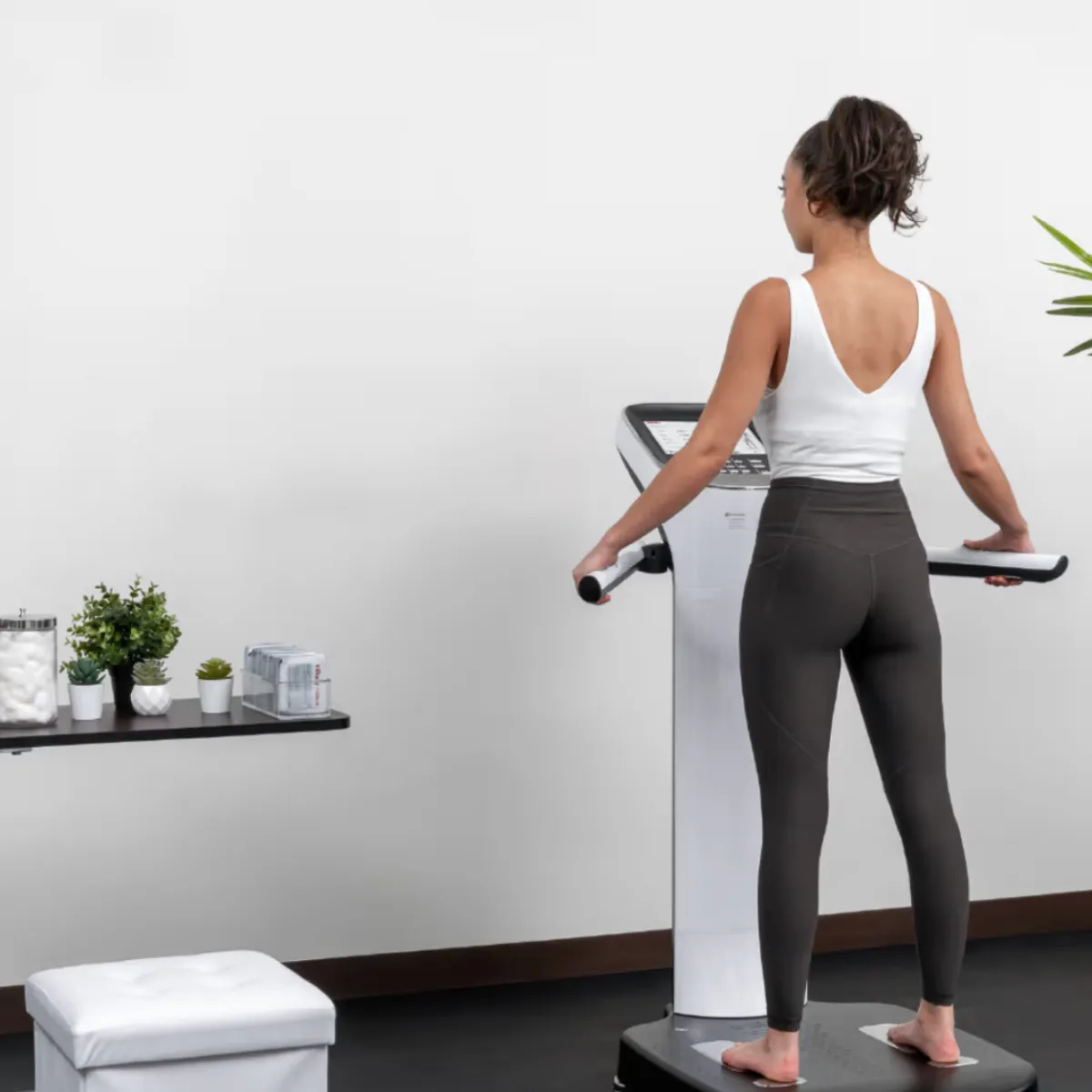
InBody plays a critical role inside a technology stack by providing objective data before, during, and after using other wellness and performance technologies.
When paired with circulation, recovery, and cellular-support systems, InBody helps quantify what clients and individuals are feeling — turning subjective experiences into measurable progress.
FAQs
How long does a scan take?
Most InBody scans take about 60 seconds.
Is the scan invasive?
No. InBody uses safe, non-invasive bioelectrical impedance technology.
Can InBody be used repeatedly?
Yes. Many users scan regularly to track trends and changes over time.
What’s the difference between the models?
All models measure body composition, but higher-tier systems provide more advanced water analysis, reporting, and professional-grade capacity.
Which model is right for me?
That depends on how you plan to use it — personal vs. professional, frequency of use, and how much data depth you want. This is exactly what we help determine during your consultation.

Contact Us:
Follow Us:


QUICK LINKS
TECHNOLOGIES
The technologies mentioned on this website are not intended to diagnose, treat, heal, manage or prevent any disease or other medical condition.
© Copyright 2026. Ascent Certified Technology, Inc. All Rights Reserved.